Off-Plan vs. Completed Homes in Nigeria: Which One Should You Buy?
Odofin Promise
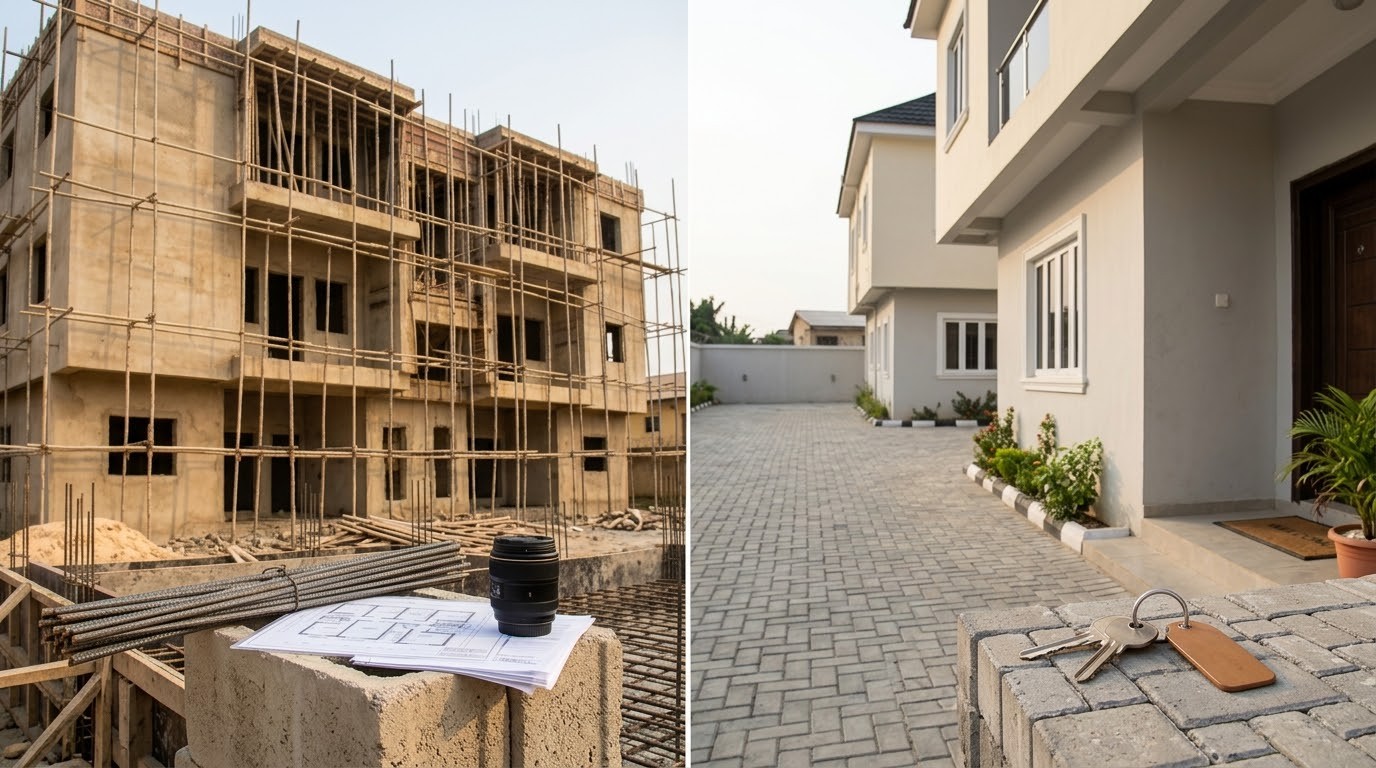
AuthorThe Property Decision That Could Save or Cost You Millions. If you’ve been keeping an eye on the Nigerian real estate market recently, you’ve probably noticed two dominant choices pulling buyers in different directions. On one hand, developers are pitching sleek 3D architectural renders with attractive multi-month payment plans. On the other hand, you have finished homes standing right on the ground—ready for you to turn the key and move in immediately. For first-time buyers and Nigerians living in the diaspora, choosing between these two paths is often the trickiest part of the journey. Making the wrong pick isn't just a minor inconvenience; picking a property model that doesn't align with your cash flow, risk tolerance, or moving timeline can lead to severe financial stress. To help you make the right move, let's break down how both property types work
What Is an Off-Plan Property?
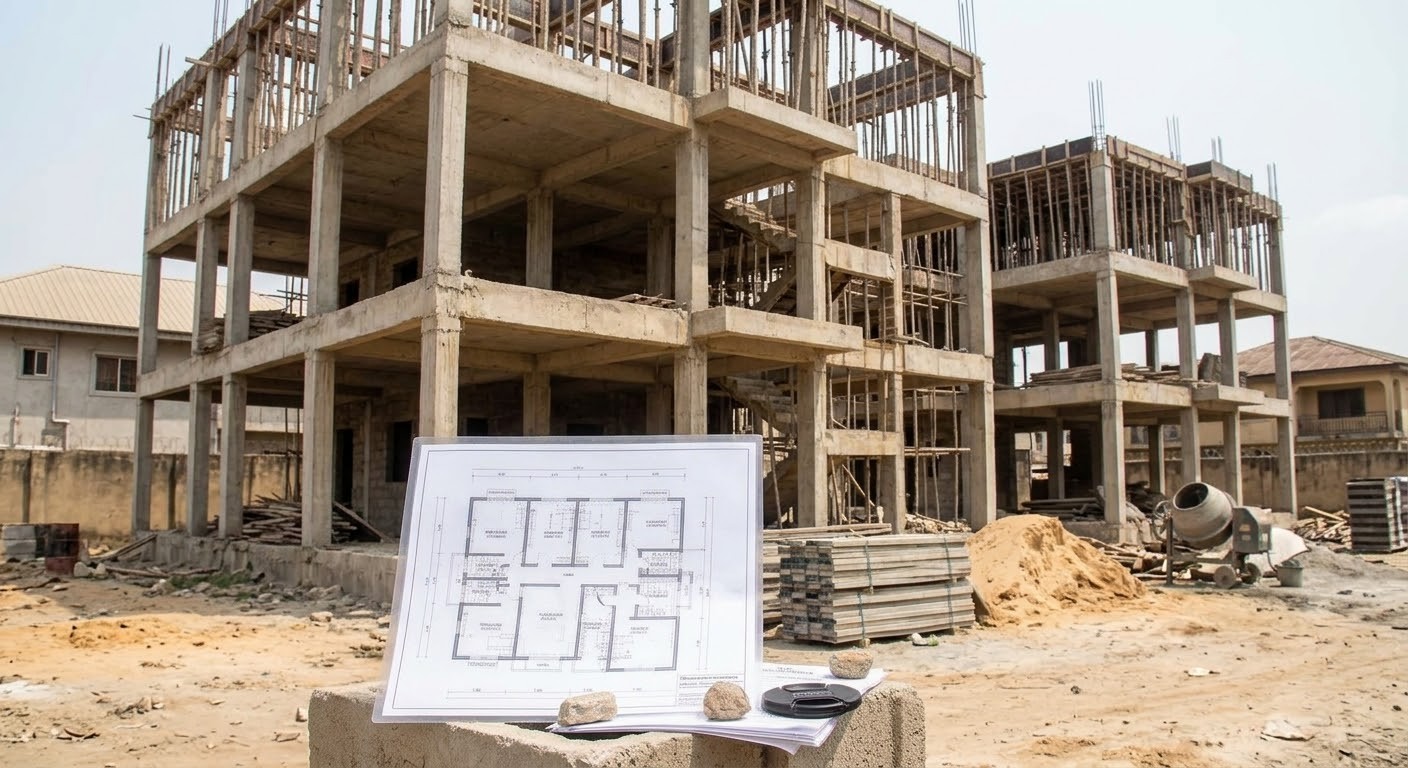
An off-plan property is a property purchased before construction is completed. Depending on the development, buyers may commit while the project is still at the foundation stage, during construction, or even before work begins, when only the land, architectural designs and development plans are available.
Essentially, you are buying a property based on what it is expected to become when construction is finished. Developers may offer early buyers more attractive entry prices or flexible payment arrangements because the funds help finance the development. Some payment plans allow buyers to spread payments across several months or construction milestones.
However, buying off-plan requires patience and careful assessment. You commit money before you can inspect the finished building, and completion may take months or years. Your experience depends on factors such as the developer's financial capacity, construction quality, project management, building costs and ability to deliver according to the agreed specifications and timeline.
What Is a Completed Property?
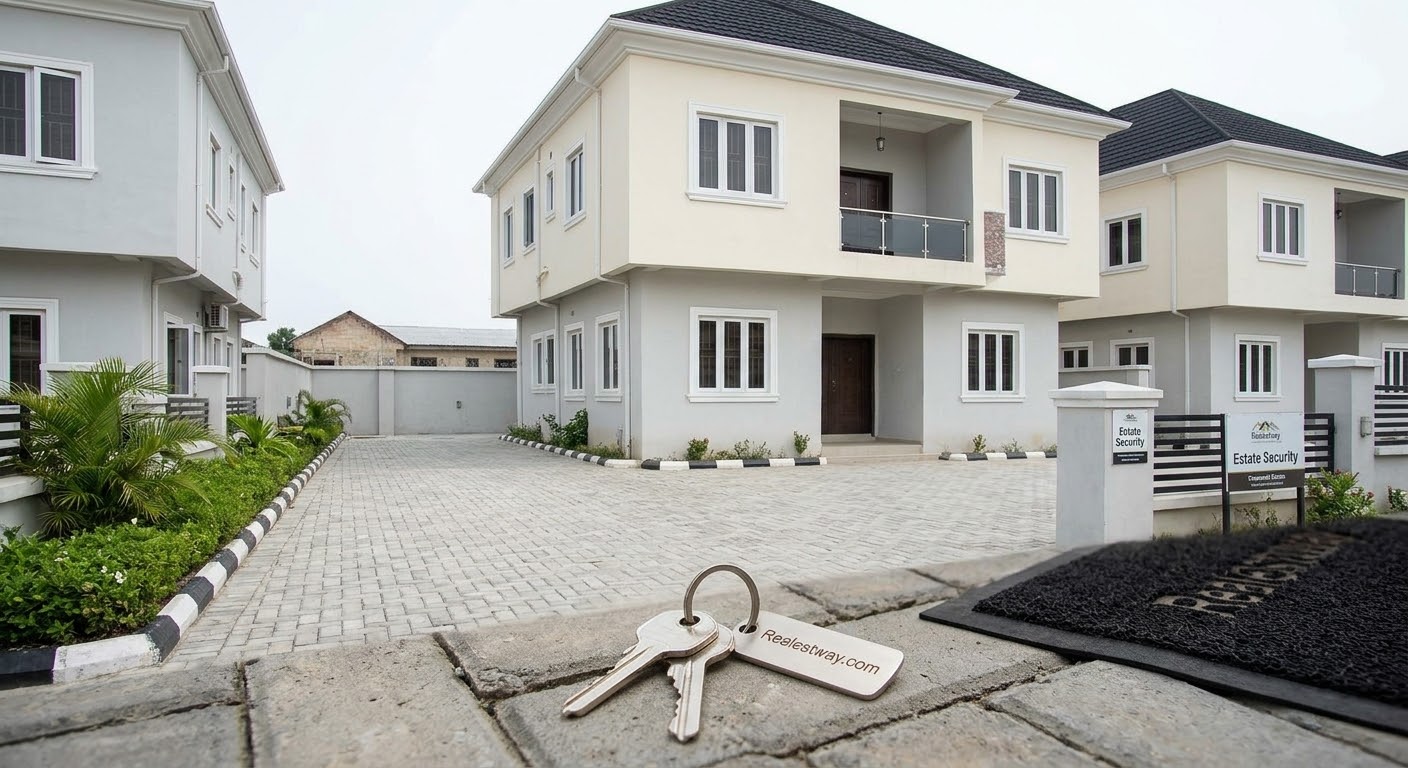
A completed property, sometimes called a key-ready property, is a building whose construction has been finished and which is ready for inspection and, subject to the necessary arrangements, occupation.
One of the biggest advantages is that you can assess the actual building before committing to the purchase. You can inspect the rooms, examine the finishing, test the plumbing and electrical installations, assess ventilation and natural lighting, and evaluate the surrounding environment.
Unlike an off-plan purchase, you do not have to wait for the developer to complete the building. You also avoid the construction-delivery risks associated with an unfinished development. However, a completed building is not automatically free from defects, title issues or other risks. Independent inspections and legal due diligence are still essential.
The financial trade-off can also be significant. Completed properties may require a larger upfront payment, although some sellers and developers offer instalment arrangements or mortgage options. The asking price may also reflect the developer's construction financing costs, professional fees and other expenses incurred before the property reaches the market.
Off-Plan vs Completed Property: Quick Comparison
Both options can lead to property ownership, but they differ in cost structure, payment flexibility, delivery timelines and the risks a buyer assumes.
| Feature | Off-Plan Property | Completed Property |
|---|---|---|
| Purchase price | May have a lower early-stage entry price. | Reflects the value of an already completed building and its market conditions. |
| Payment structure | Often allows staged payments linked to time or construction milestones. | May require a substantial upfront payment, although instalment or mortgage options may be available. |
| Occupation | Usually after construction and handover. | Potentially immediate, subject to payment, documentation and handover arrangements. |
| Delivery risk | Exposed to construction delays, cost increases and developer performance. | Construction delivery risk is largely removed, but structural, title and ownership risks remain. |
| Inspection | You may only be able to inspect the site, designs, specifications and construction progress. | You can inspect the actual building and its finishes before purchase. |
| Customisation | Some developers allow changes to finishes or selected specifications before agreed deadlines. | Usually limited to renovations or changes after purchase. |
| Rental income | Generally begins after completion, handover and preparation for occupation or letting. | May generate rental income sooner if the property is suitable and a tenant or guest is secured. |
The Financial Difference: What Are You Actually Paying For?
One important part of comparing off-plan and completed properties is understanding how the cost of construction financing affects the final purchase price.
According to an industry insight shared with Realestway, the cost structure can be understood by looking at who finances the construction and how long the capital remains tied up.
1. Outright Purchase of a Completed Building
When a developer finances construction and sells the completed building, the final selling price may reflect several cost components:
Illustrative cost structure
Construction cost
+ Capital cost (including applicable interest or financing costs)
+ Professional fees
= Cost components contributing to the completed property's price
The developer may have financed the project using borrowed funds or capital committed over the construction period. Those financing costs, alongside professional fees and other development expenses, can influence the price at which the completed property is offered for sale.
2. Purchasing Through a Construction-Stage Payment Plan
Where a buyer commits to an off-plan purchase and their staged payments finance the construction, the cost structure may be different:
Illustrative cost structure
Construction cost (financed through the buyer's staged payments)
+ Professional fees
= Cost components contributing to the payment-plan price
In this arrangement, the buyer's payments help fund construction, potentially reducing the developer's need to finance the entire project independently. Where this financing advantage is passed on to the buyer, the payment-plan price may be lower than the price of an equivalent completed property.
Is a Payment Plan Always Cheaper?
Not necessarily. Although a construction-stage payment plan can offer a cost advantage, the actual outcome depends on the payment terms, duration, pricing structure and who bears the cost of financing.
A relatively short payment plan with clearly defined instalments may be more economical than purchasing an equivalent completed property outright. However, an extended payment plan can become more expensive if the developer applies interest, financing charges, price escalation or administrative fees over time.
For example, a buyer who spreads payments over several years may eventually pay more than someone who commits to a shorter schedule, even if both buyers are purchasing the same type of property.
The important point is to compare the total amount payable, not just the initial deposit or advertised purchase price. Ask for a complete payment schedule and clarify whether the quoted price changes with the payment duration.
What Should You Compare Before Choosing?
- The total purchase price under each payment option.
- Any interest, financing, administrative or instalment charges.
- Whether the price is fixed or subject to escalation.
- The deposit and timing of subsequent instalments.
- The expected completion and handover date.
- Additional costs such as legal fees, documentation, infrastructure and title perfection.
Editorial note: These are illustrative cost structures, not universal formulas for every development. Actual project costs and payment arrangements differ. A buyer should request a detailed cost breakdown from the developer and have the agreement independently reviewed.
How to Decide Which Is Right for You
There is no universal winner between off-plan and completed property. The better option depends on your budget, cash flow, investment objectives, tolerance for risk and how soon you need the property.
Consider an Off-Plan Property If:
You are planning for the future: You already have suitable accommodation and can wait for construction and handover without disrupting your plans.
You prefer staged payments: You want to spread the purchase cost across agreed instalments rather than commit the entire amount upfront. Make sure the payment schedule is affordable and that the total cost remains competitive.
You want an early entry opportunity: You believe the development and location offer potential value, and you are comfortable with the delivery risks involved. Any expected appreciation should be treated as a possibility, not a guarantee.
Consider a Completed Property If:
You need a place to live soon: Your current tenancy is ending, you are relocating or you simply do not want to wait for construction.
You want to start earning rental income sooner: You intend to rent out the property or operate it as a shortlet and prefer to begin after completing the purchase and necessary preparations.
You want to inspect the actual building: You prefer to assess the structure, finishes, facilities and surrounding environment before making your decision.
Due Diligence Checklist Before You Sign
Regardless of the property type, proper due diligence is essential. A flexible payment plan or a beautifully finished building does not automatically make a property a safe purchase.
When Considering an Off-Plan Property
Investigate the developer's track record: Look beyond promotional materials and current construction activity. Where possible, visit previously completed projects, speak with past buyers and assess the quality of the developer's delivery and after-sales support.
Verify the land title and approvals: Engage an independent property lawyer to investigate the title and confirm that the developer has the legal authority to develop and sell the property. Relevant documents may include a Certificate of Occupancy, Governor's Consent, registered Deed of Assignment or other applicable title documents. Also check the necessary planning and building approvals.
Review the development agreement: Ensure the contract clearly identifies the property, specifications, payment milestones, delivery timeline, handover conditions and remedies available if the project is delayed or not completed.
Understand what happens if costs change: Check whether the developer can increase the price because of rising material or construction costs, and under what circumstances such changes are permitted.
When Considering a Completed Property
Inspect the building independently: Engage a qualified building professional or structural engineer to assess the property's condition. Check for cracks, dampness, roof leaks, drainage problems, poor finishing and defects in electrical or plumbing installations.
Conduct a title search: Work with a property lawyer to investigate ownership, confirm the seller's authority to sell and check for mortgages, encumbrances, disputes or other interests affecting the property.
Assess the neighbourhood: Visit at different times of the day. Consider traffic, access roads, security, drainage, flooding, electricity and proximity to essential services.
Confirm outstanding charges: Ask about service charges, estate levies, utility bills, development fees and any other outstanding obligations attached to the property.
Frequently Asked Questions
Is buying an off-plan property safe in Nigeria?
It can be a viable option, but it carries risks that buyers should understand before committing. Construction delays, developer financial difficulties, title defects and changes to agreed specifications can affect the outcome. Investigate the developer, verify the land title and approvals, and have the sale agreement reviewed by an independent lawyer.
Is an off-plan property cheaper than a completed property?
It can be, particularly where early buyer payments help finance construction and reduce the developer's financing costs. However, the price difference is not guaranteed. Compare equivalent properties and examine the full payment schedule, additional charges and total amount payable before deciding.
What happens if a developer fails to complete an off-plan property?
Your options depend on the sale agreement, applicable law, the circumstances of the project and the developer's financial position. A contract should clearly state the expected completion date, provisions for delays, refund arrangements and available remedies in the event of default. Seek independent legal advice promptly if a project stalls or the developer fails to meet its obligations.
Can I sell an off-plan property before completion?
It may be possible through an assignment or transfer of your contractual interest, sometimes referred to as flipping an off-plan property. However, this depends on the original agreement and whether the developer or relevant parties permit the transfer. Check for assignment restrictions, consent requirements and applicable fees before assuming you can resell.
What documents should I request before paying a deposit?
The documents depend on the property and the nature of the transaction. They may include:
- Land title documents: Such as a Certificate of Occupancy, Governor's Consent, registered Deed of Assignment or other relevant title evidence.
- Approved building and planning documents: Applicable approvals issued by the relevant state authority.
- Developer credentials: Company registration details, project information and evidence of previous developments.
- Contract of Sale or Offer Letter: Clearly stating the property details, total price, payment schedule, completion timeline and contractual obligations.
- Survey and property information: Where relevant, including survey plans and documents identifying the land or development.
Have a qualified property lawyer independently review and verify the documents before making payment.
Can I get a mortgage for an off-plan property in Nigeria?
It depends on the mortgage provider, developer, property documentation and financing arrangement. Some lenders may consider selected off-plan developments or have arrangements with developers, while others may prefer completed properties. Speak directly with the lender about its eligibility requirements, collateral conditions, disbursement structure and interest rate.
Is an off-plan property a good investment in Lagos?
It may be attractive where the location, purchase price, developer, development quality and expected demand support the investment case. However, capital appreciation and rental returns are not guaranteed. Assess the surrounding market, infrastructure, competing developments, delivery risks and total acquisition cost before committing.
What additional costs should I budget for when buying property?
The purchase price is not always the full cost of acquiring a property. Depending on the transaction, additional expenses may include:
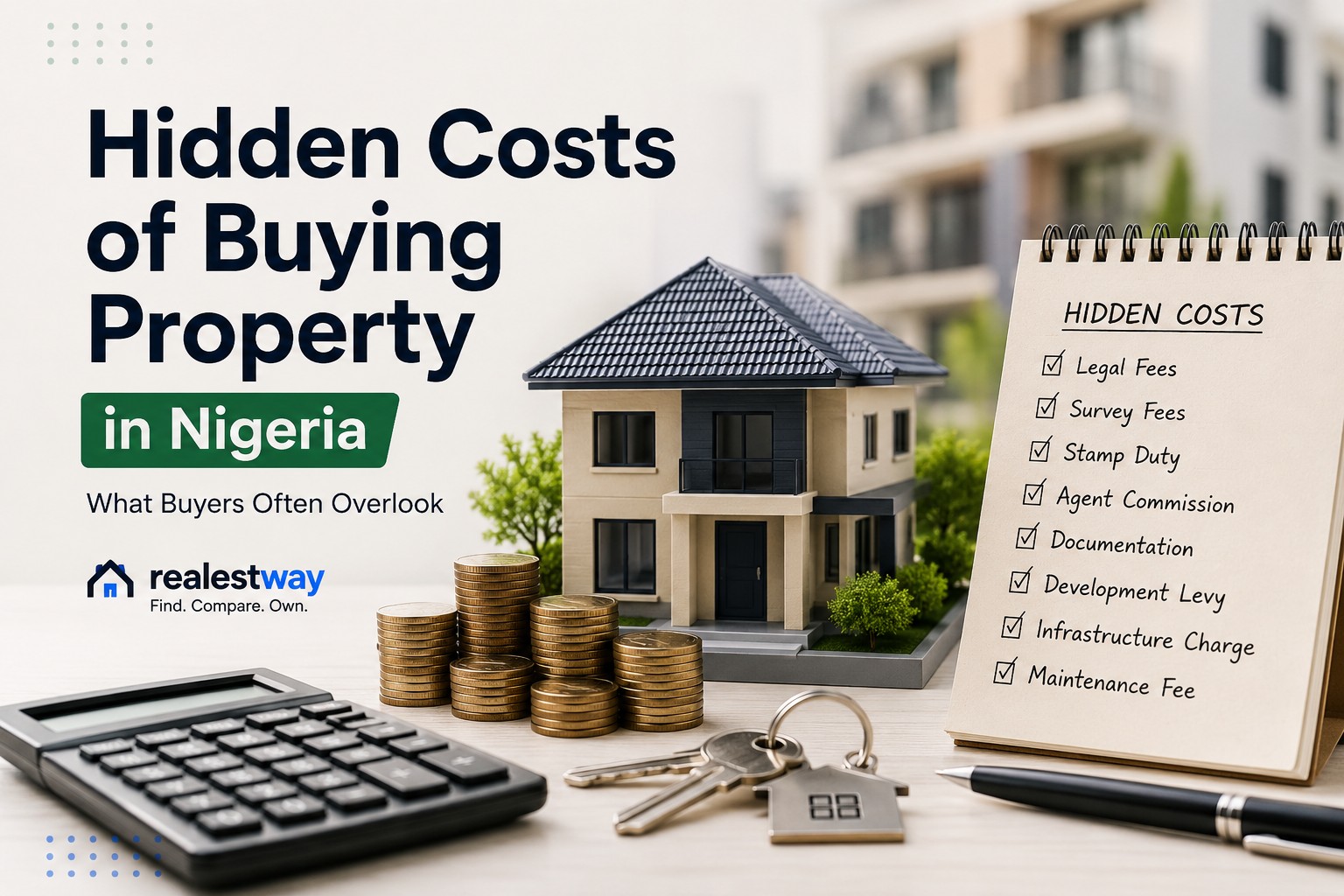
- Legal fees: For reviewing agreements, conducting searches and handling transaction documentation.
- Survey and documentation costs: Where applicable to the property and transaction.
- Title registration and perfection fees: Including applicable government charges and consent fees.
- Infrastructure or development charges: Particularly in estates where buyers are required to contribute towards shared facilities.
- Agency fees: Where applicable under the agreed transaction terms.
- Maintenance and service charges: Particularly for properties within managed estates or apartment developments.
These costs vary by location, property type and transaction. Request a written breakdown before making a financial commitment rather than relying on a general percentage.
Making Your Decision
Choosing between an off-plan property and a completed property in Nigeria comes down to more than the advertised purchase price. You need to consider how the property will be financed, the total amount you will pay, your preferred payment timeline, the risks you are willing to accept and when you need the building to be ready.
Off-plan purchases may offer early entry opportunities and more flexible payment arrangements, particularly where buyers help finance construction. Completed properties offer the advantage of inspecting the actual building and potentially taking possession sooner. Neither option is automatically cheaper, safer or more profitable. The right choice is the one that makes financial and practical sense after proper due diligence.
Find a Property That Fits Your Plans
Whether you are considering an off-plan development or a completed home, Realestway helps you discover property opportunities across Nigeria. Explore available listings, compare options by location and property type, and connect with property contacts to learn more about opportunities that fit your needs.