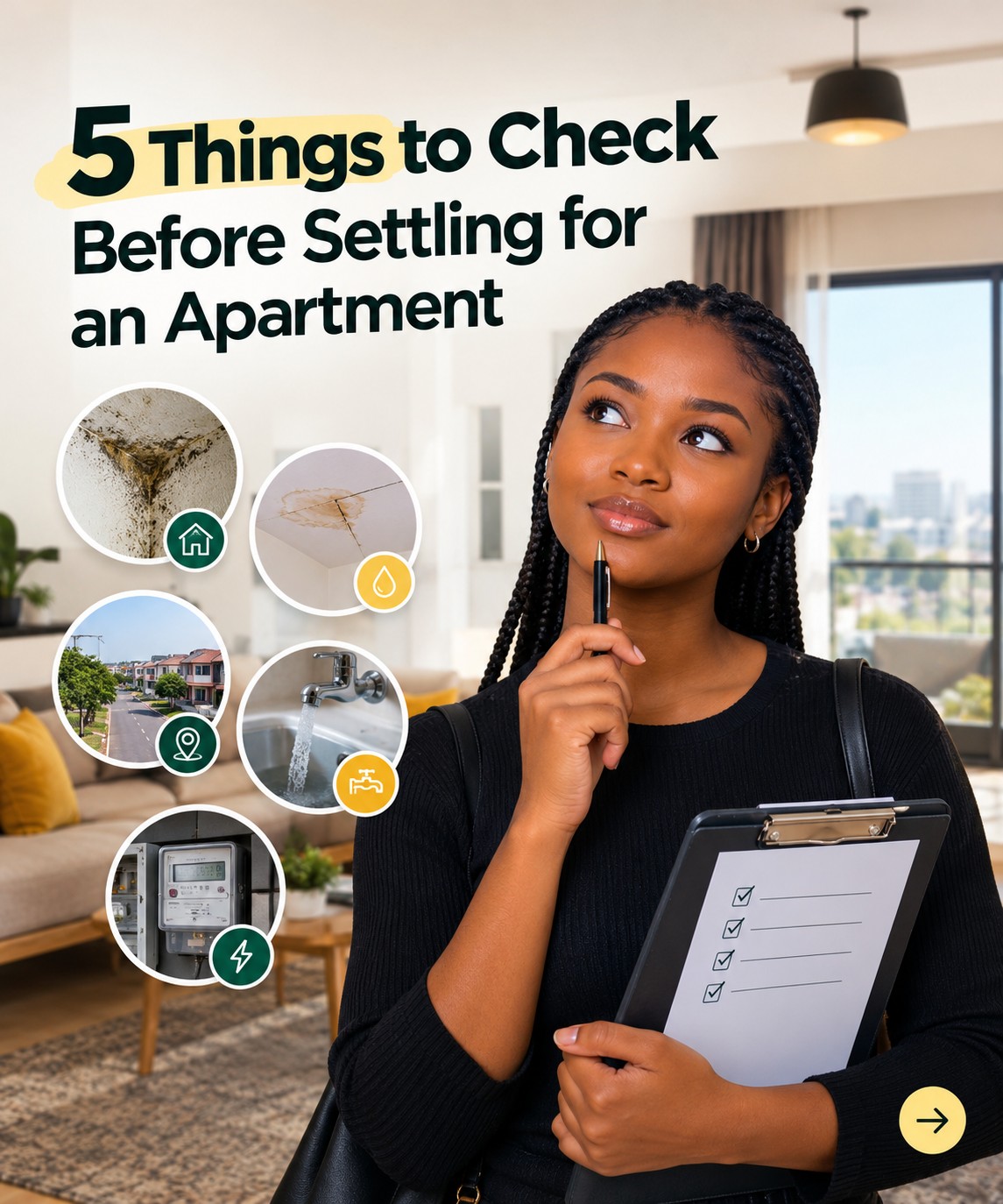
Apartment Checklist: 5 Crucial Things to Check Before Renting an Apartment
Faith Olasunkanmi
AuthorAn apartment can look perfect during inspection and become a nightmare after you've paid the rent. Before you fall in love with the tiles and spacious rooms, there are a few things you need to check. From mouldy walls to surprise electricity bills, here are 5 things to look out for before settling into your next apartment.
5 Things to Check Before Settling for an Apartment
An apartment can look perfect during inspection and become a nightmare after you've paid the rent. Here's what to check before you commit.
You've found an apartment in a good location. The rooms are spacious, the tiles are beautiful, and the rent fits your budget. You're already imagining where your bed will go and how you'll decorate the living room.
But wait. Before you fall in love with the apartment, look beyond its appearance.
A beautiful apartment isn't necessarily a good one. And discovering a problem after paying your rent can cost you more money, time, and peace of mind than you bargained for.
Here are five things to check before making that payment.
The Walls: Look Beyond The Paint
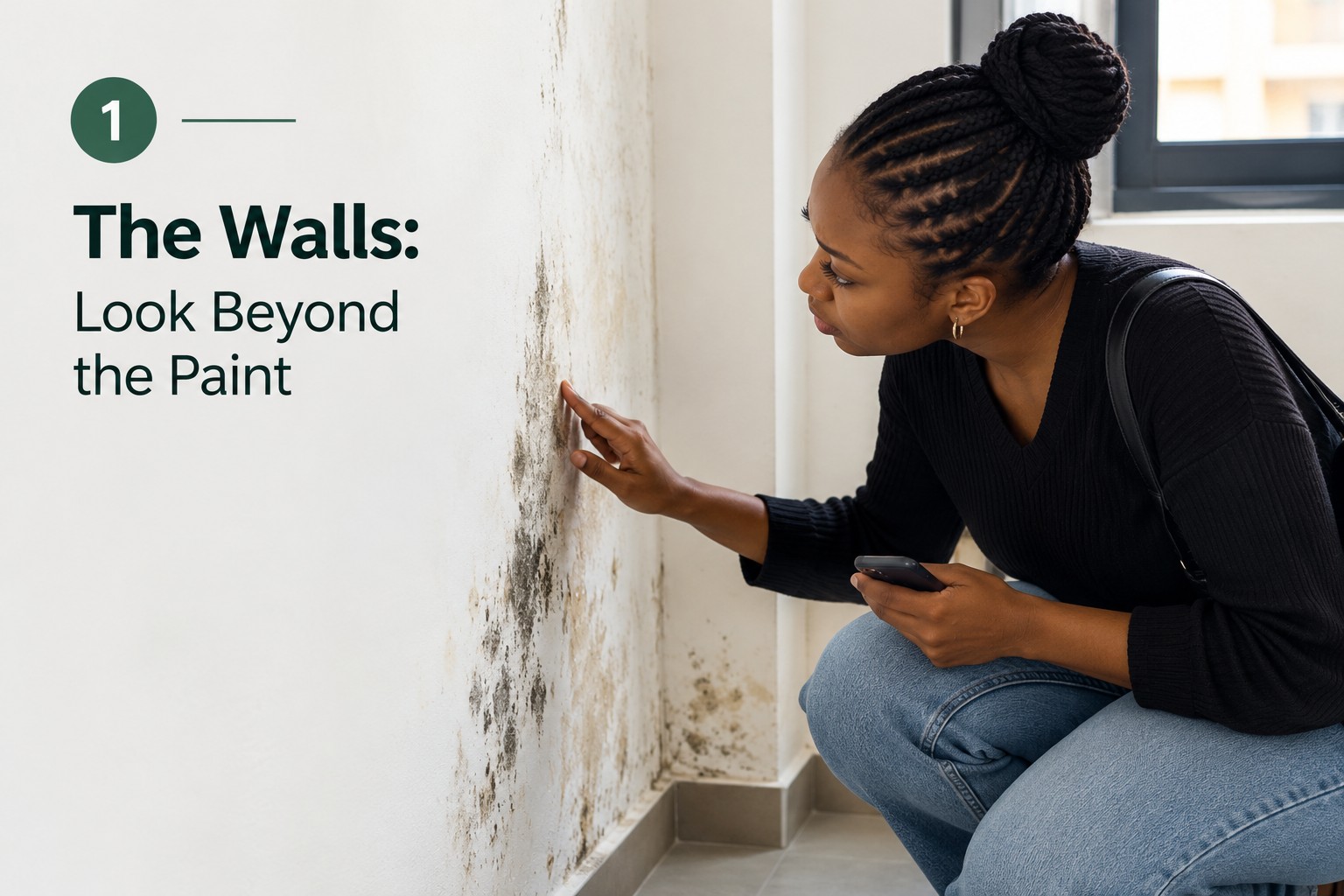 Fresh paint can make an apartment look brand new, but it can also hide problems you need to know about.
During your inspection, look for dark patches, damp spots, peeling paint, and unusual stains on the walls. These could indicate moisture problems or mould.
Pay particular attention to corners, areas around windows, and walls near bathrooms or kitchens.
Why does this matter? Persistent dampness and mould can damage your belongings and may contribute to respiratory problems, especially for people with allergies or asthma.
Pro tip: Don't be afraid to look closely at the walls. If you notice suspicious patches or a musty smell, ask the landlord or agent about them before proceeding.
The Ceiling: Check for Leaks and Damage
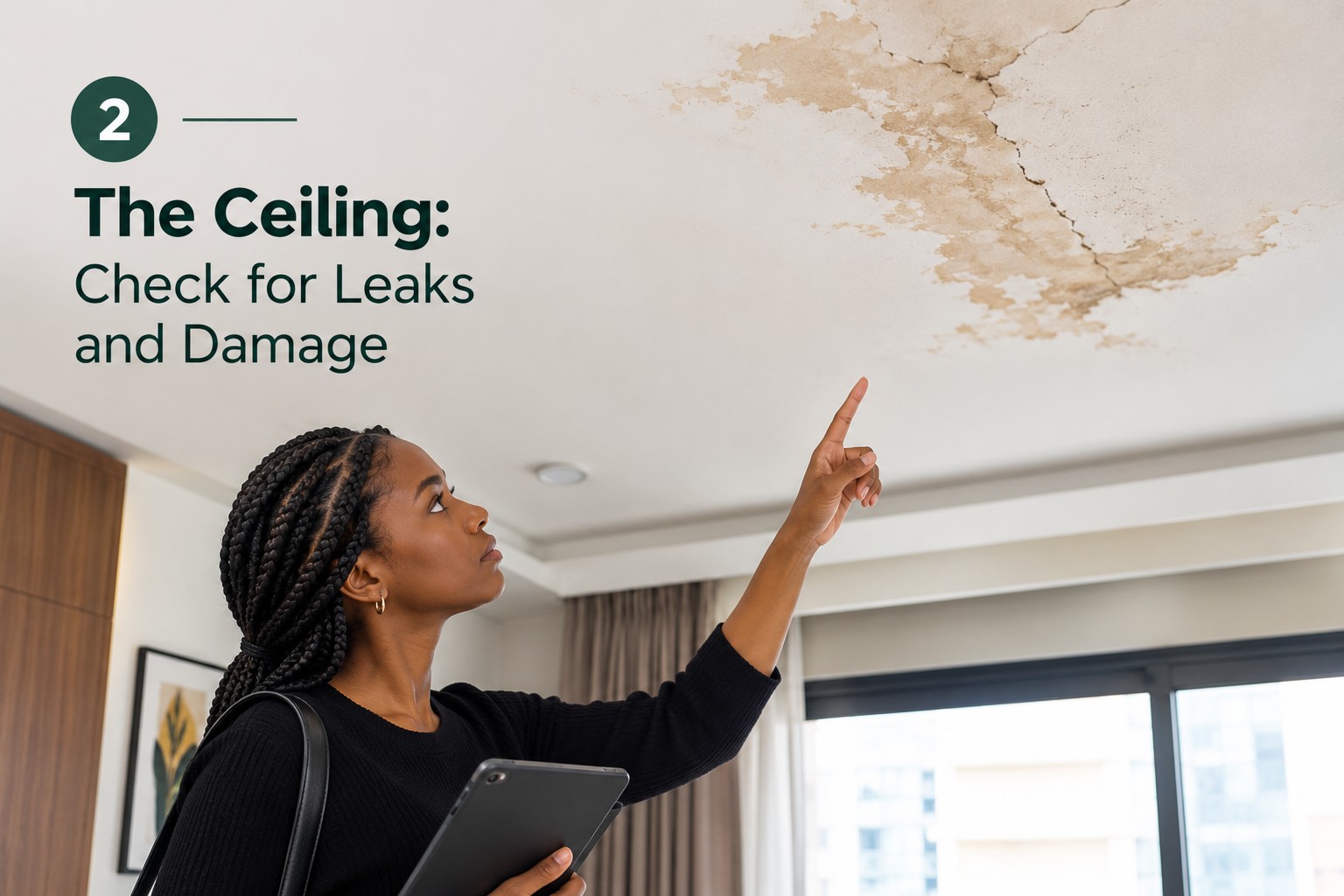 You don't want your first rainy night in a new apartment to become an unexpected indoor shower.
Look up during your inspection. Check for water stains, cracks, peeling paint, sagging sections, or other visible signs of damage.
Watermarks on the ceiling may indicate a previous or ongoing leak. If the apartment is on the top floor, ask about the roof's condition and whether it has leaked during heavy rainfall.
Don't ignore significant cracks or sagging, either. These may require professional assessment.
Pro tip: Ask whether the apartment has experienced leaks or flooding in the past and whether any repairs were completed. If you spot serious damage, get a qualified professional to assess it before you commit.
The Environment: Your Neighbourhood Matters

An apartment can be perfect inside and still be a terrible fit for your lifestyle.
Take a look around the neighbourhood. Is there a nightclub nearby that could keep you awake at night? Is a church next door likely to have loud services at hours that might affect your routine? How busy is the road?
Also, consider the practical things. Are there pharmacies, grocery stores, public transport options, and other essential services nearby? Is the road accessible during the rainy season? Do you feel comfortable returning home in the evening?
Remember, you're not just choosing a building. You're choosing the environment you'll live in every day.
Pro tip: If possible, visit the neighbourhood at different times of the day. A quiet afternoon inspection won't necessarily tell you what the area sounds like at night.
The Plumbing: Test Before You Trust

Running water and functional drainage are easy to take for granted until something goes wrong.
During your inspection, turn on the taps and check whether water flows properly. Test the toilets, flush them, and check the sinks and showers.
Look for leaking pipes, slow drainage, unpleasant smells, and water collecting around wet areas.
It's also worth asking about the water supply. Does the apartment have a reliable source? Is water available every day, or will you need to buy it or arrange additional storage?
If the area is prone to flooding, ask about previous incidents and inspect the surroundings for signs of poor drainage.
Pro tip: Don't settle for hearing that the plumbing works. Test it yourself, and ask questions about anything that seems unusual.
Electricity: Understand the Bills Before You Move In
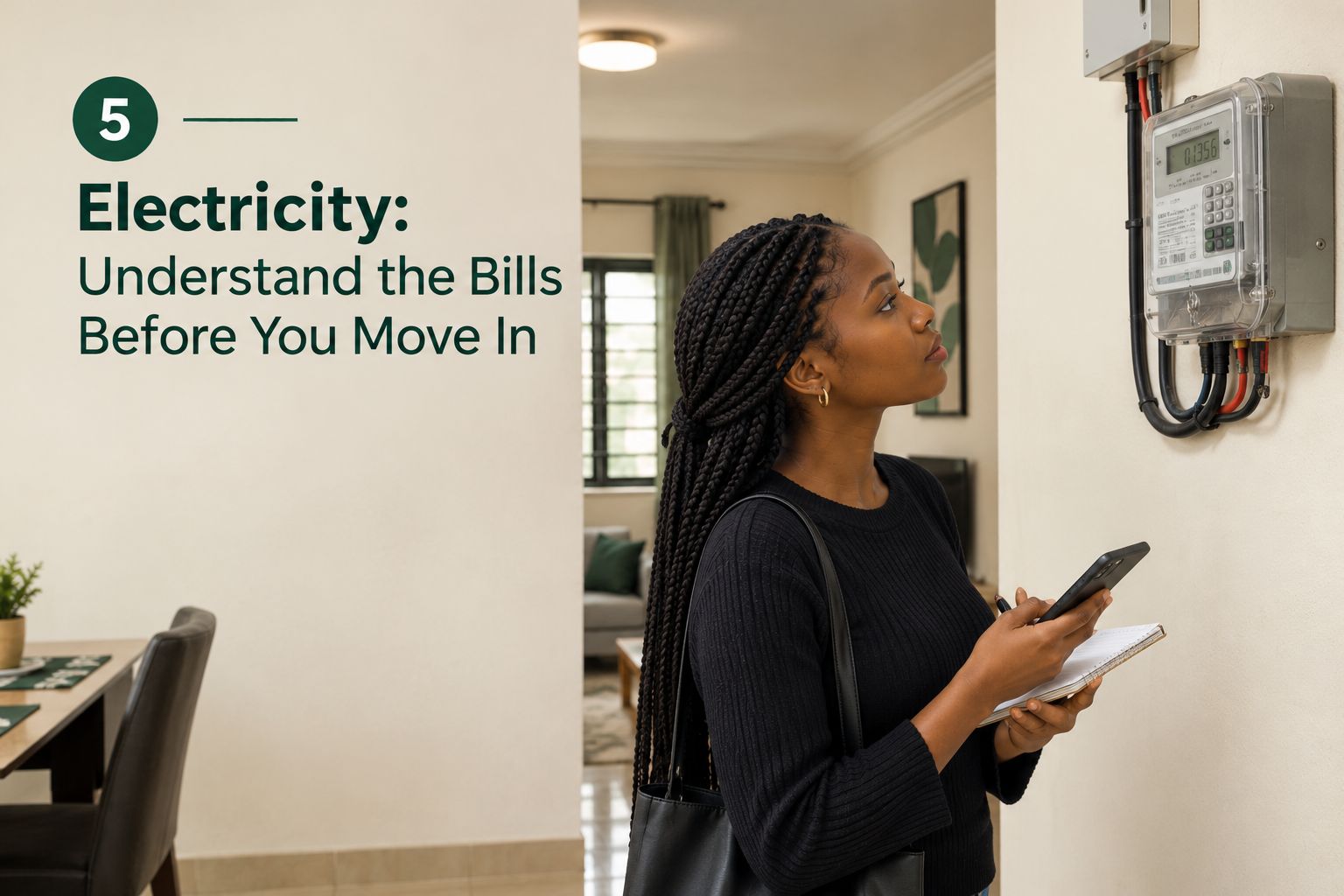
Here's a question worth asking before you collect the keys: How does electricity billing work in this apartment?
Find out whether the building uses prepaid meters, estimated billing, or another arrangement. Ask whether the meter serves only your apartment or is shared with other tenants.
If there are additional charges for common areas, generators, or other electricity arrangements, make sure you understand how they're calculated and who pays them.
Also, ask about the average electricity expenses of current tenants, if possible. Their experience may help you estimate your likely costs, although your actual bill will depend on your usage and the applicable tariff.
Imagine budgeting carefully for rent, only to discover an unexpected electricity bill in your first month. That's an unpleasant surprise you can often reduce by asking the right questions upfront.
Pro tip: Don't just ask how electricity works. Ask how much it typically costs, how payments are collected, and whether there are outstanding charges you could be expected to cover.
Before You Pay, Take One More Look
Finding an apartment isn't just about choosing the nicest-looking space you can afford. It's about finding somewhere that is safe, functional, convenient, and suitable for your everyday life.
So, before you make that payment, inspect the walls, check the ceiling, explore the neighbourhood, test the plumbing, and understand the electricity arrangements.
Ask questions. Take pictures of anything concerning. Request clarification when something doesn't add up.
A little extra attention during inspection could save you from a lot of frustration later.
Ready to Find Your Next Apartment?

Your next home should give you more than four walls and a roof. It should give you comfort and peace of mind.
Start your apartment search on Realestway and take the next step towards finding a place you can call home.
Faith Olasunkanmi
Written for Realestway · 28 October 2026Expert real estate insights helping buyers, renters, and investors make confident decisions across Nigeria.
Ready to find your next home?
Browse thousands of active property listings across Lagos, Abuja, Port Harcourt and all of Nigeria.
Also Read
More in Renting & Tenancy
Moving Before December? Your 4-Week Shortlet Checklist
December is closer than you think. Here's a week-by-week checklist to help you choose the right shortlet without the last-minute stress.
Shortlet Properties in Nigeria: Costs and Requirements
Shortlet prices in Nigeria vary by location, property size, and amenities. In Lagos, premium areas such as Victoria Island, Ikoyi, and Lekki can command nightly rates above ₦100,000, with larger or more luxurious apartments costing considerably more. In Abuja, upscale districts such as Maitama can also attract high nightly rates. For longer stays, some hosts offer negotiated monthly rates, although discounts and terms vary by property. Before booking, confirm the total cost, required identification, caution deposit, payment terms, and cancellation policy directly with the host.